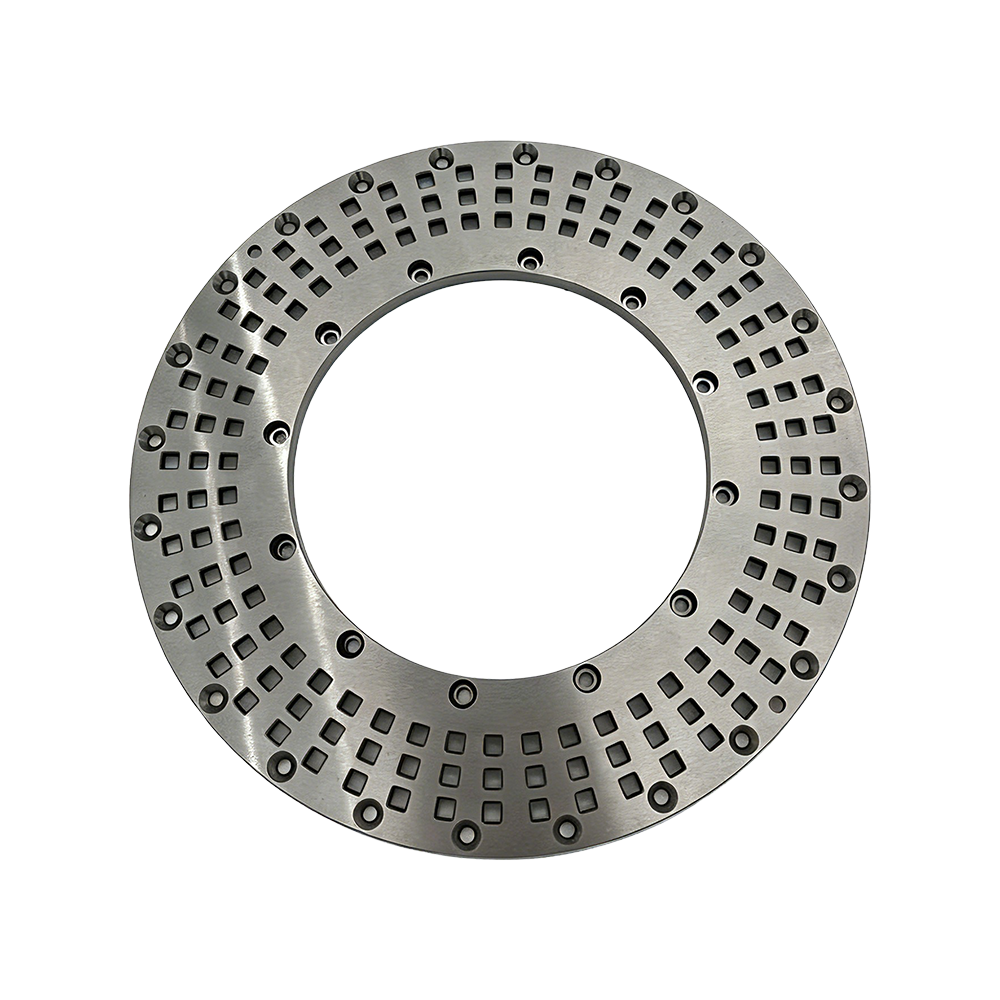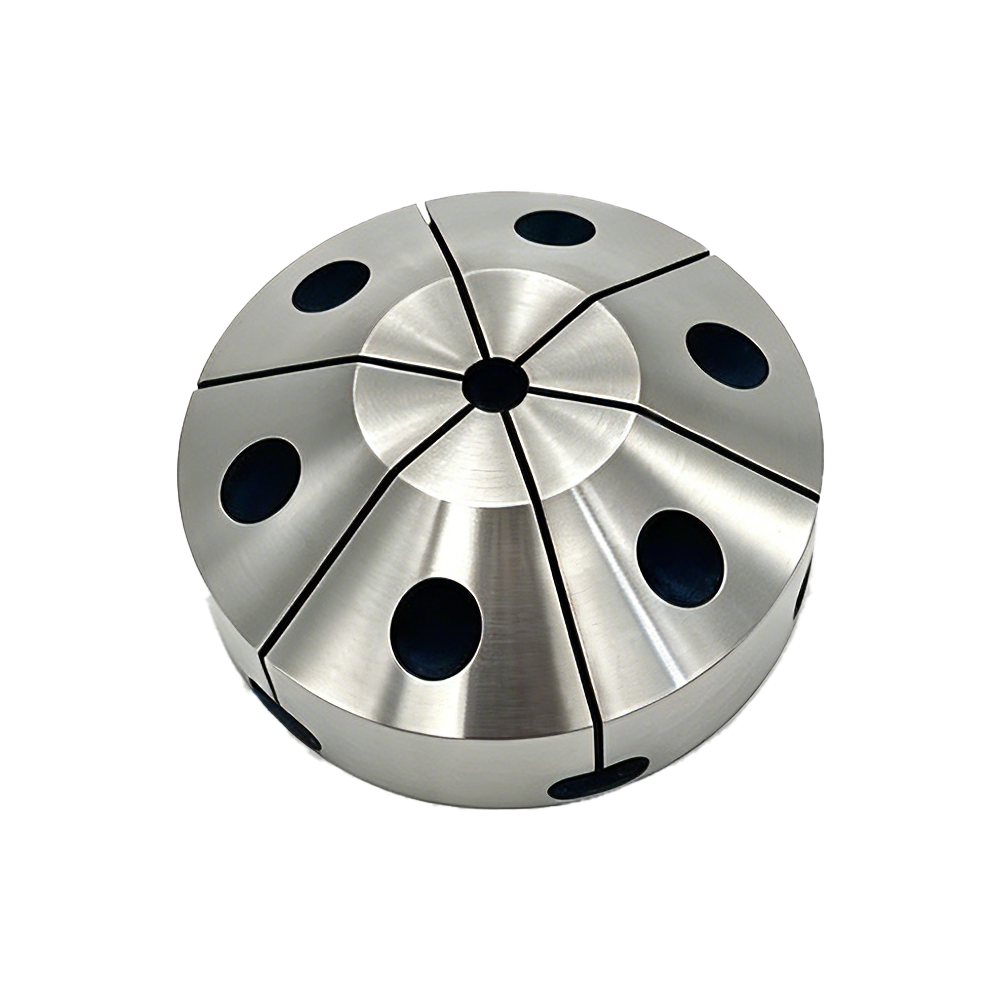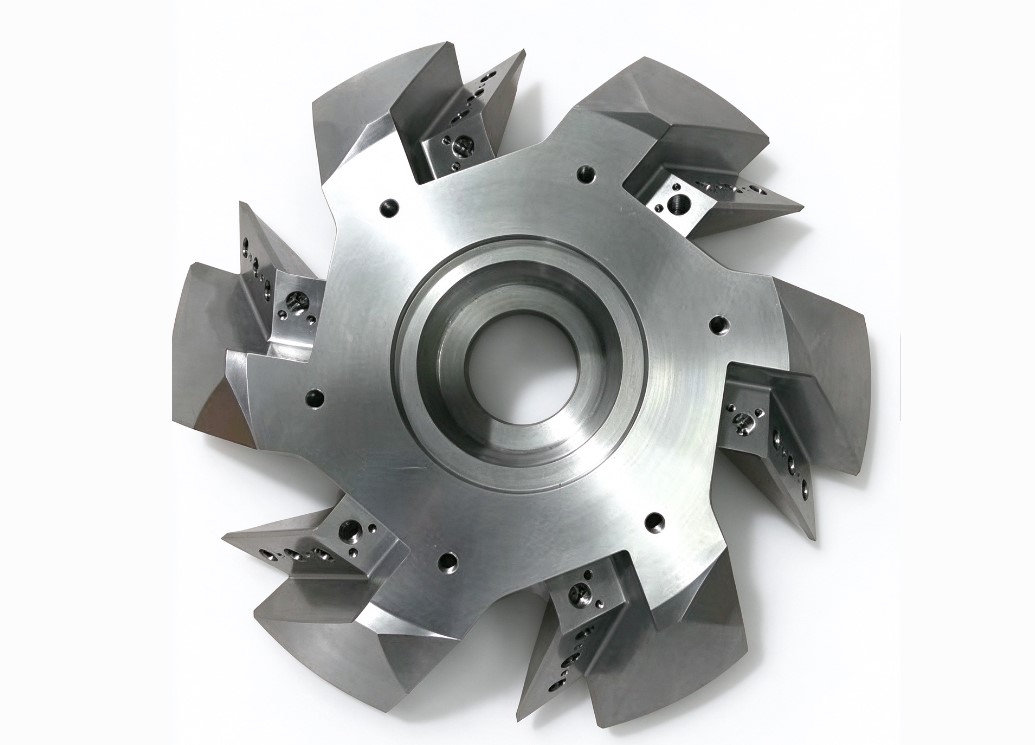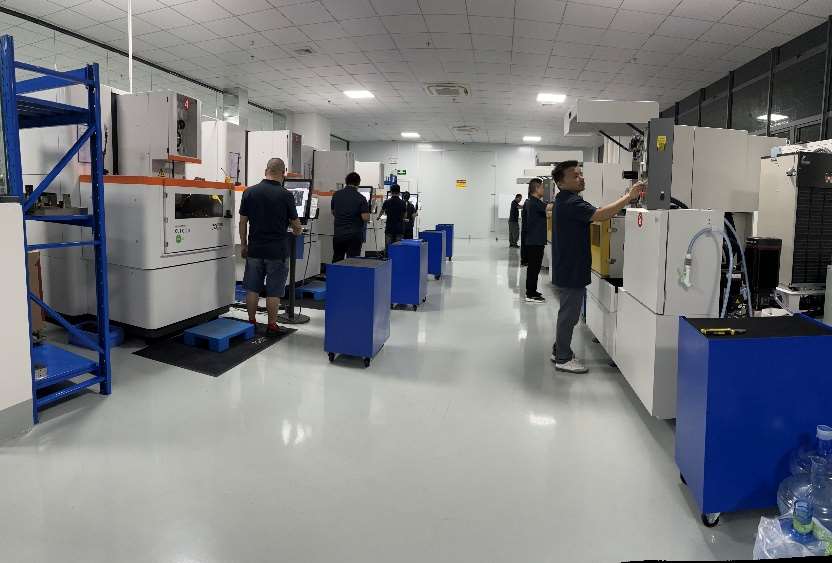
Achieving 0.001mm flatness (1 micron) in CNC machining requires strict control over material, process, equipment, and environment. At this level, even small thermal or stress changes can affect the final result.
1. Stable Material Selection
Use materials with low internal stress and good thermal stability, such as stress-relieved aluminum, tool steel, or high-grade stainless steel. Material stability is the foundation of micron-level flatness.
2. High-Precision CNC Equipment
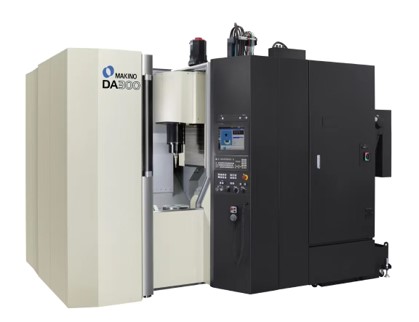
Ultra-precision machining requires rigid, thermally stable machines such as systems from GF Machining Solutions and Mikron, which offer high accuracy and thermal compensation.
3. Multi-Stage Machining Process
Use a controlled sequence:
- Rough machining
- Stress relief (critical)
- Semi-finishing
- Precision finishing with very light cuts
This reduces internal stress and deformation.
4. Temperature Control
Maintain workshop temperature at around 20°C ±1°C. Even small temperature changes can affect micron-level flatness.
5. Precision Grinding & Lapping
In many cases, final flatness is achieved through grinding or lapping to eliminate micro-deformation after CNC machining.
6. Proper Fixturing
Use low-stress clamping methods and ensure even support to avoid distortion during machining and after release.
Conclusion
0.001mm flatness is achieved through a combination of stable materials, ultra-precision machines, controlled machining steps, and strict environmental control—not a single process.