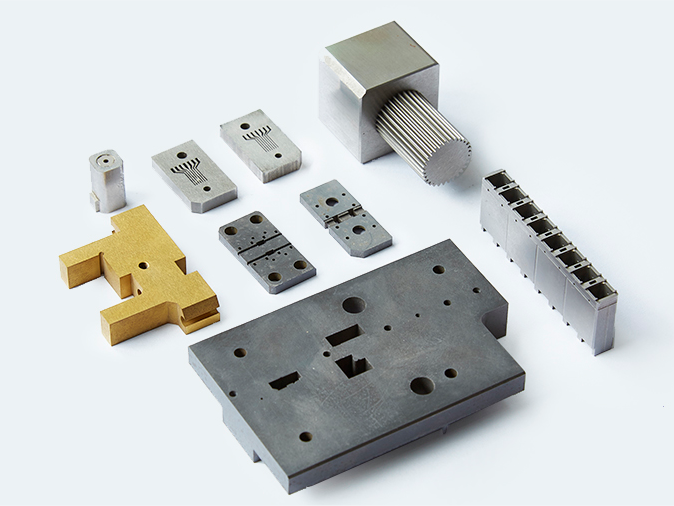
One of the questions we hear most often from customers is:
“Can Wire EDM hold ±0.001 mm?”
The short answer is yes—but not on every part.
Many articles online simply list Wire EDM tolerances and make it sound easy. In reality, achieving micron-level accuracy depends on much more than the machine itself.
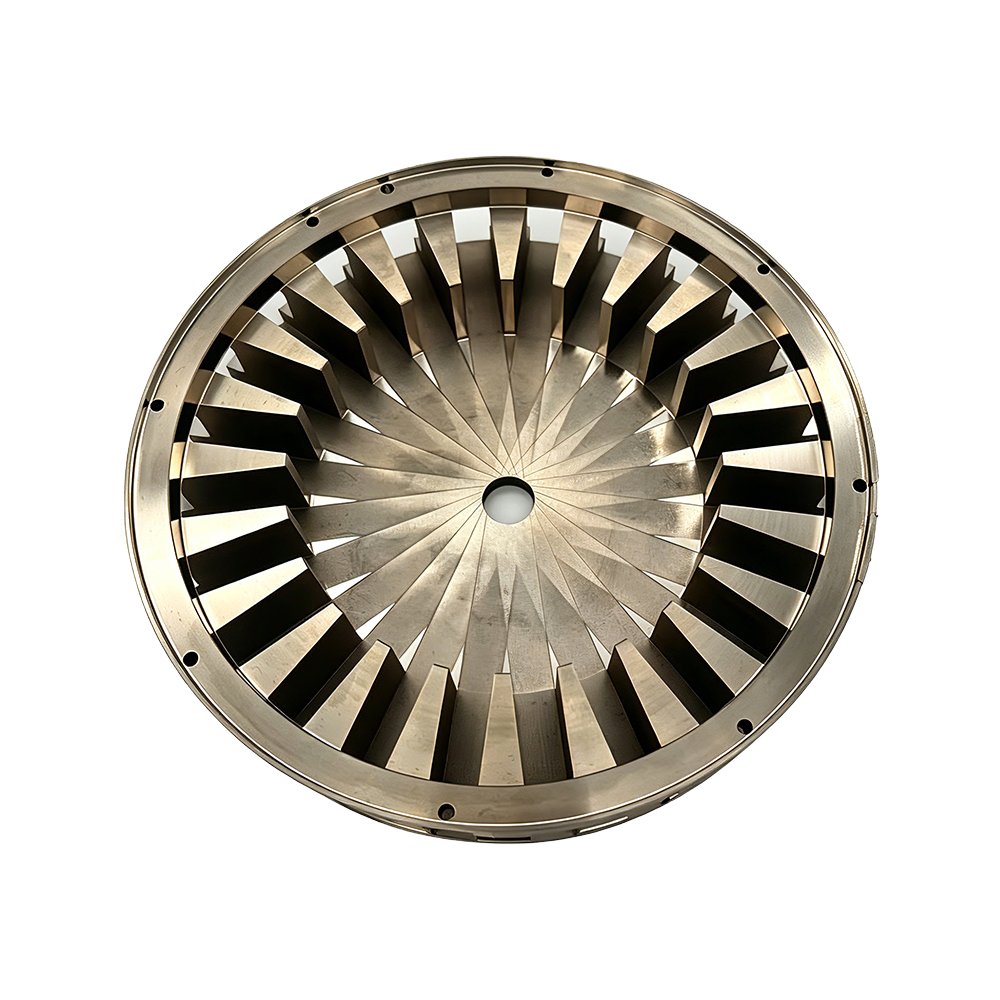
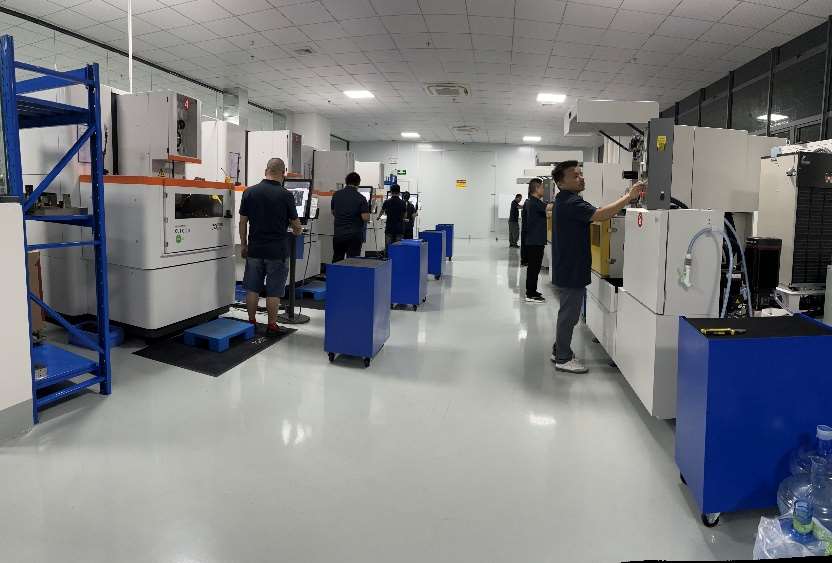
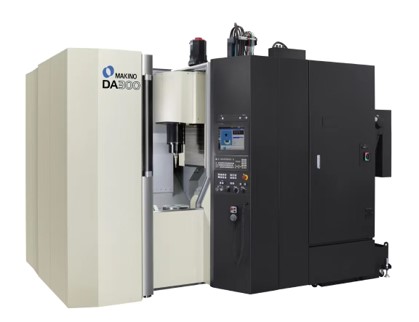
At MaxPrecision, we use Swiss GF Wire EDM machines to manufacture precision components for semiconductor equipment, motion stages, optical systems, and tooling applications. Over the years, we’ve found that the drawing tolerance is often only half of the story.
Take a hardened steel component as an example. A customer may specify a profile tolerance of ±0.002 mm. The machine is capable of achieving it, but if the material contains residual stress from heat treatment, the part can move slightly after cutting. In some cases, the deviation comes from the material rather than the machining process.
This is why experienced engineers always evaluate the entire manufacturing route before discussing Wire EDM tolerance.
For most precision components, a standard Wire EDM process can comfortably maintain ±0.005 mm. With multiple skim cuts, stable temperature control, and proper fixturing, tolerances of ±0.002 mm are commonly achievable.
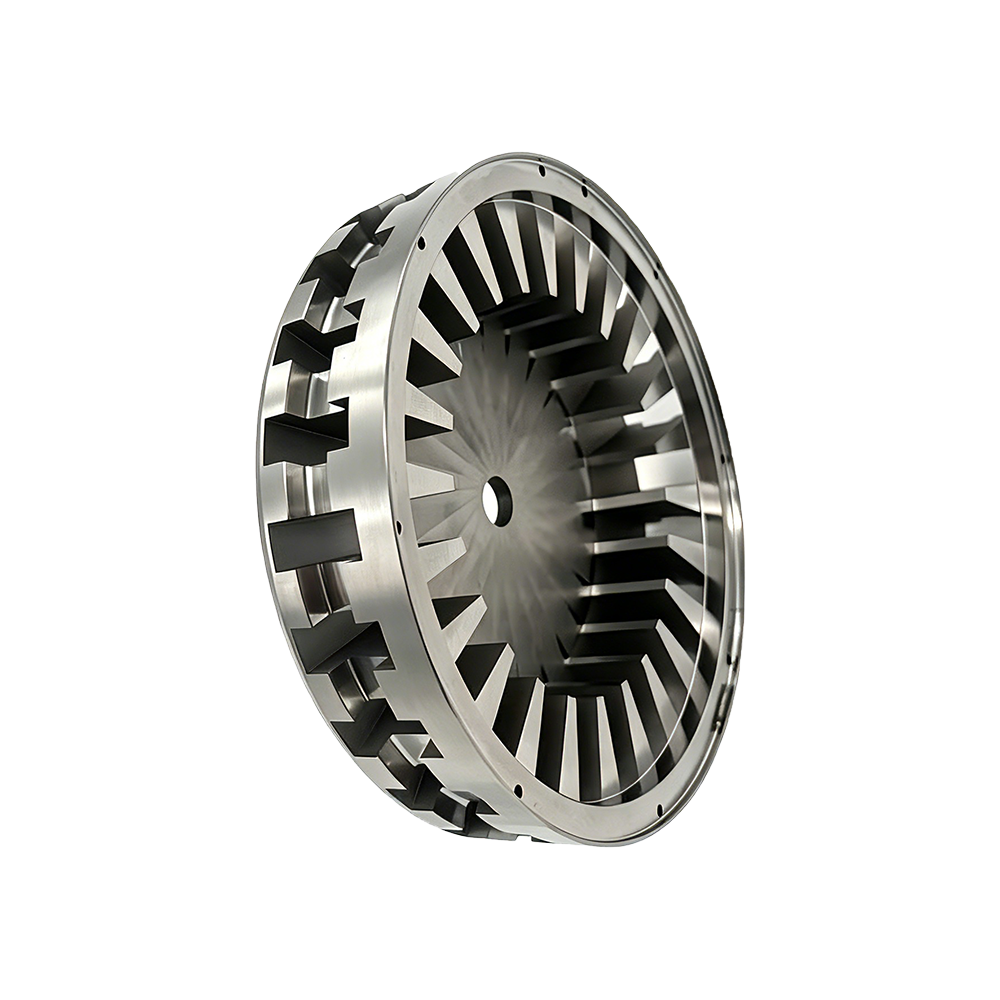
For ultra-precision applications such as semiconductor motion stages, optical alignment systems, and precision tooling, tolerances approaching ±0.001 mm are possible. However, these projects usually require additional grinding, inspection, and process control to ensure repeatability.
Another advantage of Wire EDM is that it introduces virtually no cutting force. Unlike milling operations, thin walls, delicate geometries, and hardened materials can be machined without deformation caused by mechanical pressure.
This is particularly valuable when producing precision motion components where straightness, parallelism, and profile accuracy directly affect system performance.
In our workshop, Wire EDM is often used alongside precision grinding and 5-axis machining. Rather than viewing it as a standalone process, we see it as part of a complete precision manufacturing solution.
So when a customer asks, “What tolerance can Wire EDM achieve?”, the answer is not simply a number.
The better question is:
“What tolerance can be achieved consistently on your specific part?”
That is where engineering experience makes the difference.
At MaxPrecision, we support customers in semiconductor equipment, precision motion systems, and high-end industrial automation with Wire EDM machining, precision grinding, and CNC machining services. Our engineering team reviews each drawing individually to determine the most reliable manufacturing process before production begins.